Recognizing the signs of gambling addiction A guide for awareness and recovery
Understanding Gambling Addiction
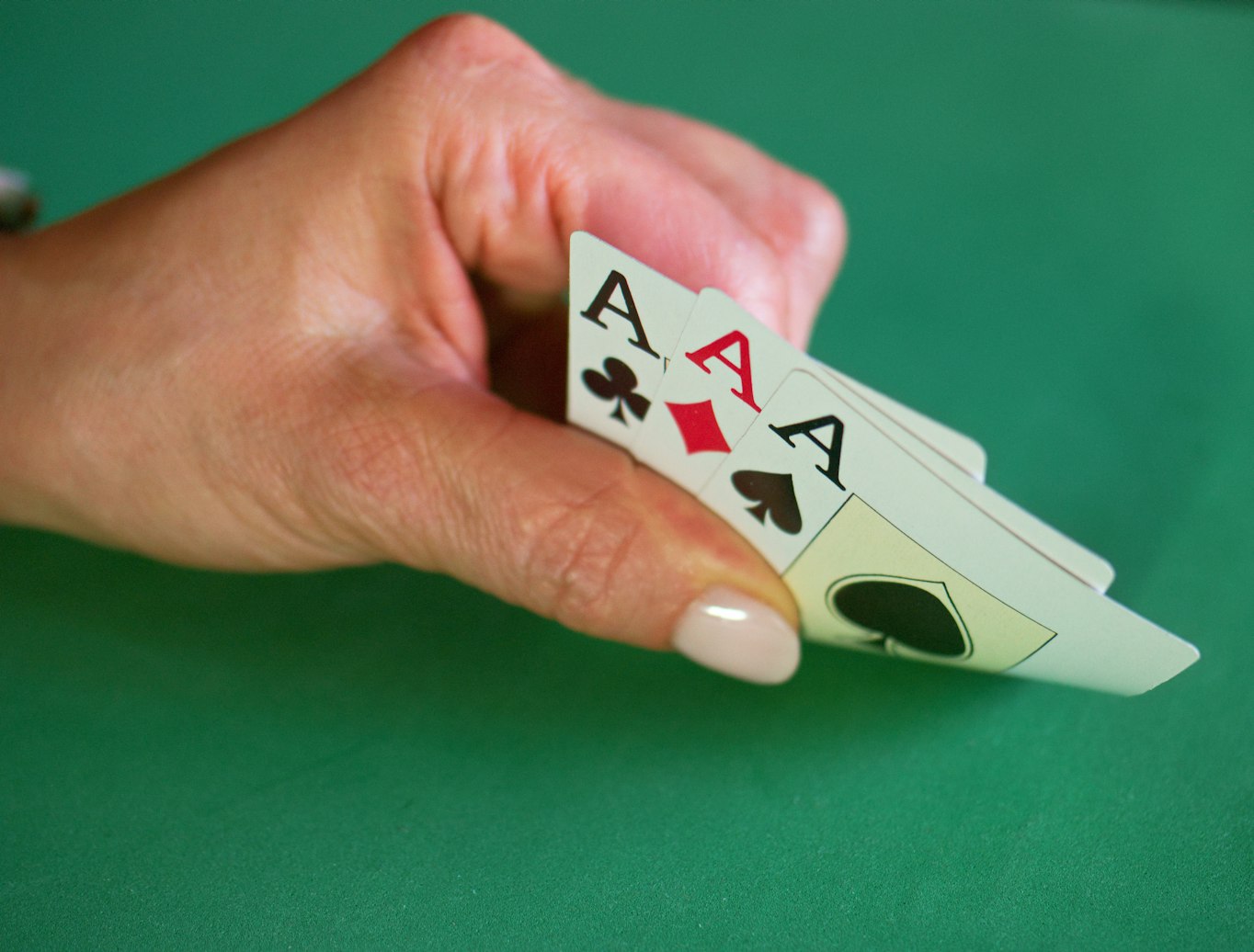
Gambling addiction is a serious behavioral health issue that affects many individuals and their families. It involves an uncontrollable urge to gamble despite the negative consequences that may arise. This addiction can manifest in various forms, whether through traditional casinos, online gambling, or sports betting, making it vital to recognize the signs early. Many are finding the best online casinos to play their favorite games, but this can lead to increased risk.

Individuals struggling with this addiction often find themselves prioritizing gambling over essential responsibilities, relationships, and financial stability. The thrill of winning can create a cycle of dependency, leading to increased betting and escalating risks. Understanding these patterns is crucial for awareness and recovery.
Signs and Symptoms of Gambling Addiction
There are several key indicators that someone may be suffering from gambling addiction. These can include preoccupation with gambling, the need to gamble with increasing amounts of money to achieve the same excitement, and unsuccessful attempts to cut back or stop gambling altogether. Often, individuals may lie about their gambling habits, leading to further isolation and secrecy.
Emotional symptoms may also surface, such as feelings of anxiety or depression when not gambling. Many individuals may turn to gambling as a way to escape from stress or personal issues, reinforcing the cycle of addiction. Recognizing these signs is essential for both the individual and their loved ones.
Impacts of Gambling Addiction on Life
The repercussions of gambling addiction can be devastating, affecting not only the individual but also their families and communities. Financial difficulties are often the most apparent consequence, leading to debt, bankruptcy, and even criminal behavior to support the addiction. Relationships may suffer as trust erodes and conflicts arise over gambling-related issues.
Furthermore, the emotional and psychological toll can be severe. Many individuals report feelings of shame, guilt, and hopelessness, which can lead to a decline in overall mental health. Understanding these impacts is crucial for fostering a supportive environment for recovery.
Pathways to Recovery
Recovery from gambling addiction is a journey that requires commitment, support, and often professional intervention. Various treatment options are available, including counseling, support groups, and rehabilitation programs. Cognitive-behavioral therapy, for example, has proven effective in helping individuals change harmful thought patterns related to gambling.
It’s essential for individuals to seek help and communicate openly with loved ones about their struggles. Support from family and friends can significantly enhance the recovery process, providing encouragement and accountability. Embracing a lifestyle that promotes healthy coping mechanisms is a vital step toward healing.
Resources and Support Systems
While this article aims to raise awareness about gambling addiction, seeking professional help is paramount for those affected. Various organizations offer resources and support systems designed to aid in recovery. Online forums, hotlines, and local support groups provide avenues for individuals to share their experiences and find guidance.
Engaging with these communities can create a sense of belonging and understanding, reinforcing the notion that recovery is possible. By taking proactive steps and utilizing available resources, individuals can reclaim their lives from gambling addiction and build a healthier future.